
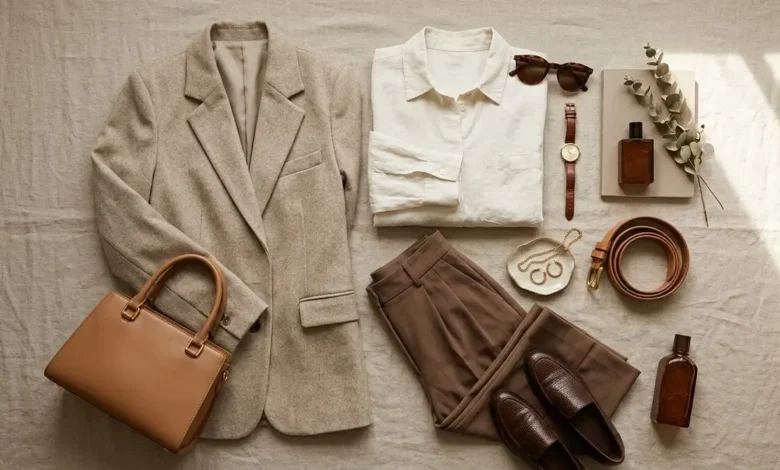
Fashion trends change frequently, but basic clothing remains an essential part of almost every wardrobe. Simple T-shirts, sweatshirts, hoodies, and everyday tops provide the foundation for countless outfits. Their versatility makes them useful for people with different lifestyles, personal preferences, and fashion interests.
For clothing retailers and apparel businesses, quality basics also offer an opportunity to build collections that appeal to a wide audience. Customers often look for clothing that is comfortable, easy to style, and suitable for repeated use. Choosing the right products can help businesses create a dependable assortment that balances practicality and appearance.
Why Basic Clothing Never Goes Out of Style
Basic clothing remains popular because it is easy to incorporate into everyday outfits. Unlike highly seasonal designs, simple garments can be worn throughout the year with minor styling adjustments.

A plain T-shirt, for example, can be paired with jeans for a relaxed look or layered under a jacket for a more structured outfit. Sweatshirts and hoodies offer similar flexibility, making them suitable for casual activities, travel, and relaxed social occasions.
Another advantage is that basic garments appeal to different age groups and style preferences. Customers who prefer minimal fashion can wear them on their own, while people who enjoy experimenting with outfits can use them as layering pieces.
For retailers, these characteristics make everyday essentials an important part of a balanced apparel collection.
Understanding the Value of Quality Fabrics
Fabric quality directly affects how clothing feels, looks, and performs over time. Even a simple garment can provide a positive wearing experience when it is made with suitable materials and careful construction.
Cotton is widely used in casual apparel because of its soft feel and versatility. Cotton blends may offer additional characteristics depending on their composition and intended purpose. Fleece fabrics are commonly selected for warmer garments, while lighter materials can be more suitable for layering.
When evaluating apparel, businesses should consider:
- Softness: The fabric should feel comfortable during regular wear.
- Breathability: Suitable materials help support comfort during different activities.
- Weight: Fabric thickness should match the garment’s intended purpose.
- Construction: Strong seams and consistent stitching contribute to product quality.
- Maintenance: Clear care instructions help customers look after their garments.
Understanding these features makes it easier to select products that meet customer expectations.
Building a Collection Around Everyday Essentials
A well-planned clothing collection should include products that customers can wear in different situations. Instead of depending entirely on seasonal trends, retailers can create a foundation of reliable everyday garments.
T-shirts, polo shirts, sweatshirts, hoodies, and comfortable trousers are useful starting points. These categories can be expanded with different colors, fits, and fabric options.
For example, a collection might include neutral-colored T-shirts, classic crewneck sweatshirts, and versatile hoodies. Customers can combine these pieces with denim, joggers, or casual outerwear.
Businesses exploring established apparel suppliers may consider port and company wholesale when researching everyday clothing options. Comparing available styles, fabric details, and product specifications can help retailers determine whether particular garments fit their collection requirements.
The Growing Appeal of Comfortable Streetwear
Streetwear has become an important influence on modern casual fashion. Its appeal comes from relaxed silhouettes, practical clothing, expressive designs, and the ability to combine different wardrobe pieces.
Hoodies, oversized T-shirts, sweatshirts, and comfortable bottoms are common elements of streetwear-inspired outfits. Customers often appreciate clothing that provides freedom of movement while maintaining a distinctive appearance.
Retailers can respond to this interest by offering a mixture of classic basics and contemporary styles. Neutral colors provide a timeless foundation, while graphic designs and seasonal shades add personality.
When researching streetwear-related apparel, businesses may also explore shaka wear wholesale as part of their supplier and product comparisons. Evaluating garment construction, sizing, fabric options, and available styles is important before choosing products for a particular audience.
Choosing the Right Colors and Fits
Color selection can influence how easily customers incorporate a garment into their wardrobes. Neutral shades such as black, white, grey, and navy are popular choices because they coordinate with many other colors.
However, a collection should not necessarily be limited to basic shades. Earth tones, muted seasonal colors, and brighter options can provide variety for customers with different preferences.
Fit is equally important. Some customers prefer regular-fit garments, while others look for relaxed or oversized silhouettes. Offering several fit options can make a collection more inclusive and versatile.
Retailers should review size charts and product measurements carefully. Consistent sizing information helps customers make informed decisions and can reduce confusion when purchasing online.
How Retailers Can Evaluate Apparel Suppliers
Selecting a supplier is an important business decision. Product appearance matters, but businesses should also examine reliability, communication, pricing, and order requirements.
Before choosing a supplier, retailers should review the following points:
- Product range: Check whether the supplier offers the clothing categories needed for the collection.
- Material information: Review fabric composition, garment weight, and available construction details.
- Sizing options: Confirm available sizes and examine measurement charts.
- Order requirements: Understand minimum quantities, bulk pricing, and purchasing conditions.
- Product consistency: Look for reliable quality across different colors and sizes.
- Communication: Make sure product questions and order details can be discussed clearly.
Requesting samples, when available, can provide a better understanding of the actual product than relying only on online photographs.
Balancing Classic Styles with New Trends
A clothing collection should offer enough variety to attract customers without becoming difficult to manage. One practical strategy is to maintain a foundation of classic products and introduce trend-inspired pieces in smaller quantities.
Classic T-shirts, hoodies, and sweatshirts can remain central to the collection. New colors, updated graphics, and contemporary fits can be added to keep the assortment interesting.
This approach helps businesses maintain a recognizable product range while responding to changing fashion preferences.
Retailers should also pay attention to customer feedback. Questions about sizing, fabric feel, colors, and product availability can reveal which items deserve more attention in future purchasing decisions.
Presenting Basic Apparel Effectively Online
For online clothing businesses, product presentation can influence purchasing decisions. Clear photographs, accurate descriptions, and useful sizing information help customers understand what they are buying.
Product pages should explain important details such as:
- Fabric composition and garment weight, where available.
- Available colors and sizes.
- Fit and style characteristics.
- Care instructions.
- Product measurements.
Lifestyle photographs can also demonstrate how basic garments look when styled with other clothing. Showing different outfit combinations gives customers practical ideas and makes a collection easier to explore.
Accurate descriptions are particularly important. Businesses should avoid making unsupported claims about fabric performance, durability, or manufacturing details.
Conclusion
Quality basics provide the foundation for a practical and versatile clothing collection. Their simple designs, everyday usefulness, and styling flexibility make them valuable to both customers and apparel retailers.
By evaluating fabrics, selecting suitable fits, comparing suppliers, and balancing classic products with contemporary designs, businesses can create collections that serve a variety of customer needs. A thoughtful approach to everyday apparel can support a more consistent product range and a better shopping experience.


