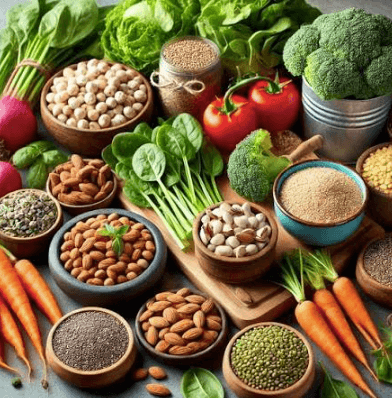
Plant-based protein has become an important formulation category for food manufacturers serving consumers who want alternatives to conventional animal-derived ingredients. Product opportunities include protein shakes, snack bars, bakery products, meal replacements, and dry nutrition blends. Yet successful formulation requires more than adding a protein powder to an existing recipe. Taste, texture, solubility, processing behaviour, and ingredient compatibility all influence the finished product.
Pumpkin seed protein is one plant-based ingredient that manufacturers may consider when developing differentiated protein products. As with other plant proteins, its properties depend on the raw material, extraction or separation process, particle size, and final specification. A careful assessment is needed before it is incorporated into a commercial formula.
Understanding Pumpkin Seed Protein
Pumpkin seed protein is produced from pumpkin seeds through processing designed to obtain a protein-containing ingredient. The precise composition depends on the manufacturing method and the degree to which oils, fibres, and other components are retained or removed.


Buyers should not assume that all pumpkin seed protein powders have identical nutritional or functional properties. Protein content, moisture, fat, fibre, colour, flavour, and dispersibility can vary. A specification sheet is therefore essential when comparing suppliers or calculating a product’s nutritional profile.
The ingredient’s flavour also matters. Pumpkin seed materials may contribute a recognisable nutty or earthy note, which can work well in some products but require balancing in others. A successful formula should account for this sensory contribution rather than treating the ingredient as flavour-neutral.
Potential Product Applications
Protein shakes and beverage mixes
A protein powder intended for beverages should be evaluated for dispersibility, mouthfeel, sedimentation, and flavour. Some plant proteins do not dissolve completely in water and may require a suitable blending procedure or formulation strategy. The result should be assessed in the actual liquid base and at the intended serving temperature.
Snack bars and bites
In snack bars, protein ingredients can influence binding, hardness, moisture distribution, and texture during storage. Pumpkin seed protein may be evaluated alongside syrups, fibres, fats, grains, and flavourings. Developers should test the product immediately after manufacture and throughout the intended shelf life because texture can change as moisture migrates.
Bakery products
Protein powders may be considered in selected breads, muffins, pancakes, crackers, and other baked goods. The added protein can alter water absorption and dough structure. A formula may need adjustments to liquid, fat, or other dry ingredients to preserve the intended crumb and handling characteristics.
Meal and dry nutrition blends
Dry blends require attention to mixing uniformity, flowability, packaging, and reconstitution. If the protein powder differs substantially in particle size or density from other ingredients, the blend may segregate during handling. Pilot testing can help determine whether the mixing process produces a consistent distribution.
Key Quality Characteristics
Protein content and composition
Buyers should confirm the stated protein content and understand the analytical basis used in the specification. If the ingredient will support a nutrition claim, the finished product should be assessed using appropriate calculations and verification methods for the target market.
Moisture and storage
Moisture can affect caking, flow, and storage stability. Packaging and warehouse conditions should follow the supplier’s recommendations. Opened bags or containers should be handled according to the manufacturer’s procedures to reduce the risk of moisture exposure and contamination.
Flavour, colour, and aroma
The ingredient’s natural sensory profile may influence the final product. Request a sample and assess it in the intended recipe, not just as a dry powder. Sweeteners, cocoa, vanilla, spices, fruits, and other ingredients may change how the protein’s flavour is perceived.
Microbiological and contaminant controls
Food manufacturers should determine which safety parameters are relevant to the ingredient and intended application. Review the supplier’s quality documentation, lot testing, allergen information, and traceability arrangements. The exact requirements should reflect applicable regulations and the buyer’s quality programme.
Formulation and Processing Challenges
Water absorption and texture
Plant protein ingredients can absorb water and alter viscosity or dough consistency. This effect may be desirable in some applications and problematic in others. Small-scale trials should measure how the ingredient affects the recipe and whether the liquid ratio needs adjustment.
Dispersion and sedimentation
In beverages, a powder may disperse without dissolving completely. Developers should examine clumping, sediment, and mouthfeel under realistic preparation conditions. Mixing speed, order of addition, and the presence of other ingredients may influence performance.
Heat processing
Baking, cooking, and other heat treatments can change the texture and sensory profile of a protein-containing product. Trials should reproduce the intended processing conditions. A laboratory sample that is mixed at room temperature may not predict the outcome after heating or extended holding.
Designing a Reliable Testing Process
Start by defining the product’s target protein level, sensory profile, texture, preparation method, and shelf-life expectations. Obtain the ingredient specification and select a small number of inclusion levels for initial trials. Record the exact formulation and processing conditions so that results can be repeated.
The evaluation should include relevant sensory and physical measurements. Depending on the product, this may involve texture, dispersion, flavour, moisture, baking performance, or stability during storage. For products making specific nutritional claims, the finished formula must be reviewed under the applicable rules for the destination market.
Once a promising formula is identified, scale it to a pilot batch. Larger mixers and production equipment may create different shear, heating, and residence-time conditions. These differences should be resolved before full commercial production.
Sourcing and Supplier Approval
A supplier’s ability to provide a consistent ingredient is as important as the sample’s initial performance. Buyers should examine specification clarity, lot documentation, packaging, lead times, communication, and procedures for managing quality issues.
For manufacturers considering green spring technology Bulk Pumpkin Seed Protein Powder request a current specification and sample before approving the material. Confirm the declared protein level, composition, physical characteristics, storage guidance, packaging, and available safety documentation.
The purchasing team should coordinate with product development and quality assurance. This helps ensure that the chosen grade supports both the intended formulation and the product’s labelling requirements.
See also: How Material Engineering Improves the Performance of Modern Robots
Planning Supply and Inventory
Demand forecasts should be based on the approved recipe and realistic production volumes. Buyers should consider the material’s shelf life, warehouse capacity, and expected usage before selecting an order size. Bulk purchasing may simplify procurement, but unnecessary inventory can tie up cash and increase the risk of material being held too long.
Traceability records should connect incoming ingredient lots with finished-product batches. This makes it easier to investigate any quality concern and maintain reliable production records.
FAQs
1. Can pumpkin seed protein be used in beverages?
It may be suitable for selected beverages, but dispersion, flavour, mouthfeel, and sedimentation must be assessed in the actual formula.
2. Does a higher protein percentage automatically make a powder better?
Not necessarily. Protein content is one consideration; flavour, texture, moisture, composition, processing behaviour, and application suitability also matter.
3. What should manufacturers request before purchasing?
Request a specification, relevant lot documentation, ingredient and allergen information, storage guidance, packaging details, and a sample for formulation testing.
Conclusion
Pumpkin seed protein can provide another option for manufacturers developing plant-based protein foods, but each application has its own technical requirements. By evaluating composition, flavour, texture, processing behaviour, and documentation, product developers can select a more suitable ingredient and build a repeatable formula. Supplier approval and realistic inventory planning then help support consistent commercial production.