
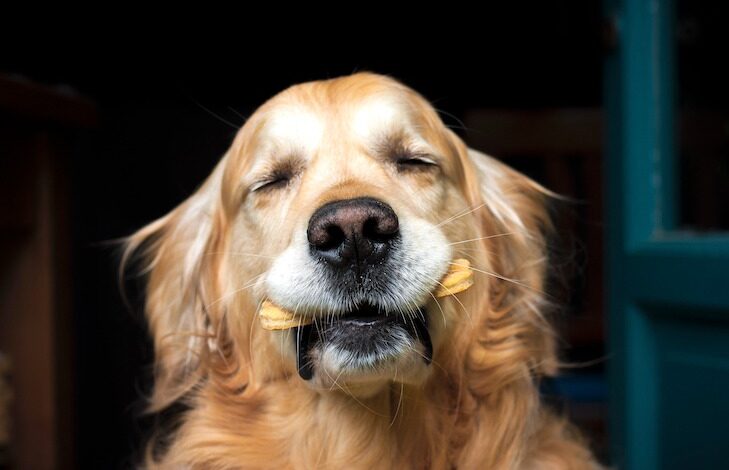
Raising a domestic dog presupposes a complex approach, including proper feeding, exercising regularly, and rewarding desirable behavior in training. The latter is where treats become indispensable in terms of positively reinforcing desired actions. Nonetheless, distributing snacks at random regardless of daily caloric consumption may result in undesirable weight gain and malnutrition. Therefore, it is vital to learn how to use treats in a safe manner to ensure your pet is full of energy and physically fit.
The Essentials of Golden Rule of Canine Portion Control
Calculating the right portion of snacks for your dog, according to veterinary experts in canine nutrition, means following certain standards that will help you avoid obesity. Implementing the well-known 10 percent treat rule ensures that all supplementary snacks combined never exceed ten percent of your dog’s total daily caloric requirements.
Determining the Amount of Treats a Dog Can Have
It is important to understand that every dog has different energy needs based on the breed, age, and weight as well as the amount of physical activity. Owners often struggle to figure out exactly how many treats can a dog have without disrupting their daily diet. The consultation of the vet will help to determine the exact amount of calories the dog consumes at rest and define the number of treats per day to train the dog without gaining weight gradually.
Choosing Healthy and Low-Calorie Treats
The choice of proper treats is very important for your dog’s health and successful control of its body weight. It is necessary to pay attention to commercial products which include additional sugar and preservatives that may disrupt a healthy diet. The consumption of nutritious snacks or special low-calorie treats will enable you to reward your pet frequently without overfeeding the dog.
Using Smart Snack Portioning Tactics
Good portion control can do wonders for you when dealing with a highly enthusiastic puppy or even an adult dog participating in obedience training. Snacks that come in large packages can be portioned out into tiny bits about the size of a pea in order to get a maximum number of rewards for your pet and not let him gain any additional calories. One great idea would be to allocate some of the daily portions of kibble your dog normally eats to make him work for his food.
See also: Vintage Bombshell Net Worth: Fashion & Thrifting YouTuber’s Wealth
Working With Your Vet for Guidance
For dogs who have any health problems, such as diabetes, allergies, or serious joint problems, it is necessary to approach their nutrition very individually. You should always seek advice from your licensed vet prior to making any changes to your dog’s feeding or trying to create a new snack schedule for him.

